- 0
- 914 words
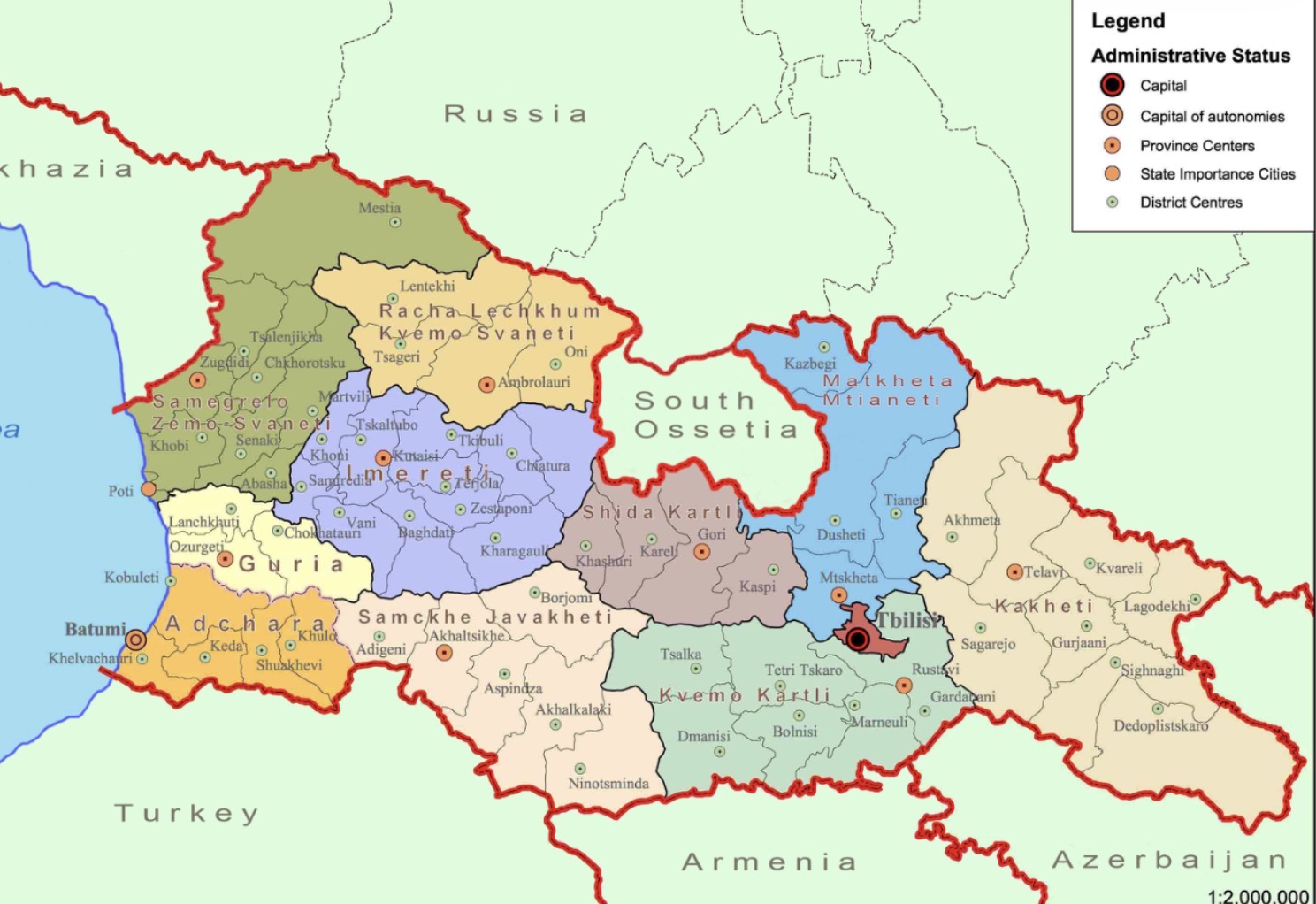
Georgia is a fertile country divided up into regions. It is meeting point between Western Asia and Eastern Europe so was important for the Silk Road trade. The Caucus mountains border one side and the country extends to the Black Sea. Despite frequent invasions by Muslim armies, the country became Christian renouncing paganism and fire worship. The Kakheti region is famous for its wine growing ( no you only get to taste and buy and not just drink). The region is divided into 8 sections with Telavi being the main administrative hub.

Kakheti was one region invaded, The town near the Gremi Citadel was once a thriving stop with a Caravanserai. These were all destroyed by the invaders. The Queen of the area was taken captive and offered the choice of converting to Islam , and marrying the Shah or dying. She was burnt and mutilated.
.


Did you go to the museum? I did. There is a map showing what the area looked . The caravanserai and the palace had a Roman Bath set up. They heated it with those big stones they found and the steam heated water and they channel it to the baths and houses for heating. Pretty clever ,eh!


Are you ready for some wine tasting? Each winery produces the most “unique “ wine depending on the combination of grapes they grow. Each has something different but they use the normal European method that produces wine in caskets or barrels or the unique Georgian method that uses clay pots. The latter method was banned in the Soviet period as it takes up to 6 months for the wine to be ready and is in smaller quantities. Soviet wanted quick and quantity not necessarily quality.
Our first winery is distinguished by storing its wine in a Russian tunnel built by the Soviet to store their wine.


Lunch is amazing. Such a variety of dishes…..if this is Georgian food , we are all going to put on weight…. Meat ,salads and vegetable all prepared in different combinations. That sour cherry sauce…. I could eat it on everything. Do you agree?

Next winery has a historical history. It was owned by the 19th Century poet Alexander Chavchavadze as his summer residence. Unfortunately his wife was kidnapped and held for ransom . Alexander was forced to sell it to pay back a bank loan for the ransom. Guess who he sold it to….that’s right the Romanov family. They didn’t get to enjoy it long before the civil war in Russia resulted in their deaths.


Last wine tasting for day.

Have you enjoyed the wine? I have found it quite dry. At this winery, they are growing and using more of the traditional wine grapes of Georgia. Many of these were nearly lost during Soviet times as they required mainly one type to be used. Look around the grounds….there are some cute decorative features and a wine museum.


Traditionally Georgian wine is stomped in a trough and the skins and juice are drained into a clay pot. This is left to ferment for up to six months or longer. The wine is scooped from the top and fermented again before the final bottling. Do they waste the residue? Of course not. It is distilled and makes a strong alcohol.


Alaverdi Cathedral and monastery is the last stop for this district. The Cathedral itself is undergoing restoration work so lots of scaffolding. It is still an active monastery with monks. Wine making helps support the monks and the repair work.


Now don’t you get angry…. I looked for the official photos because you are not allowed to take photos inside. It is wonderful that it is an active community and still used for worship. The olive and fruit trees were certainly covered with fruit.


Tomorrow we drive o another district…..no more wine for you….but churches ,yes.
Author

suzannesingletonbrown@hotmail.com